

The 4th Seminar on Nanjing Massacre History Research by Young Scholars Held
From July 31 to August 2, the 4th Seminar on Nanjing Massacre History Research by Young Scholars, focusing on Japan’s invasion of China and China’s nationwide War of Resistance Against Japanese Aggression, was held at Inner Mongolia University.
More than 70 scholars from universities and research institutions in China and abroad, including Peking University, Nanjing University, Shanghai Jiao Tong University, the Chinese Academy of Social Sciences, Keio University in Japan and the University of Malaya, presented new findings grounded in primary archival records, diaries and other documents. Their research exposed crimes committed during Japan’s invasion of China and carried forward the great spirit of the Chinese People’s War of Resistance Against Japanese Aggression.
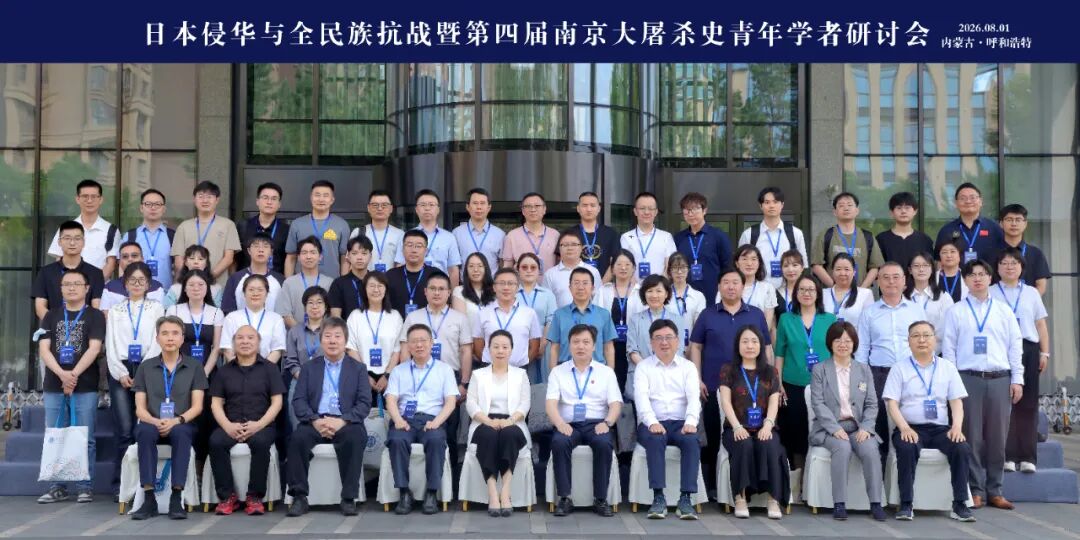
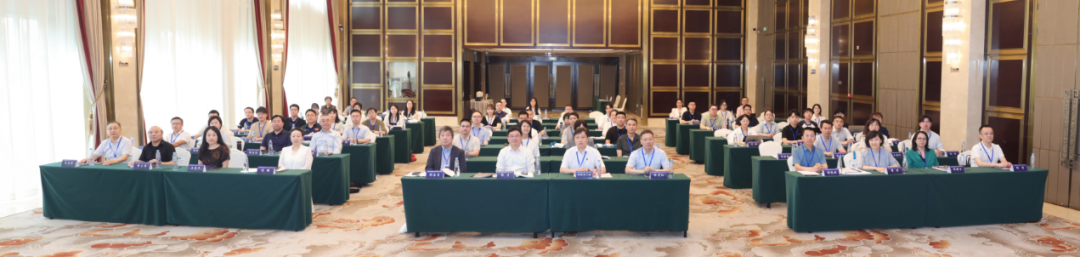
The opening ceremony
The seminar comprised five sessions of presentations and expert commentary.
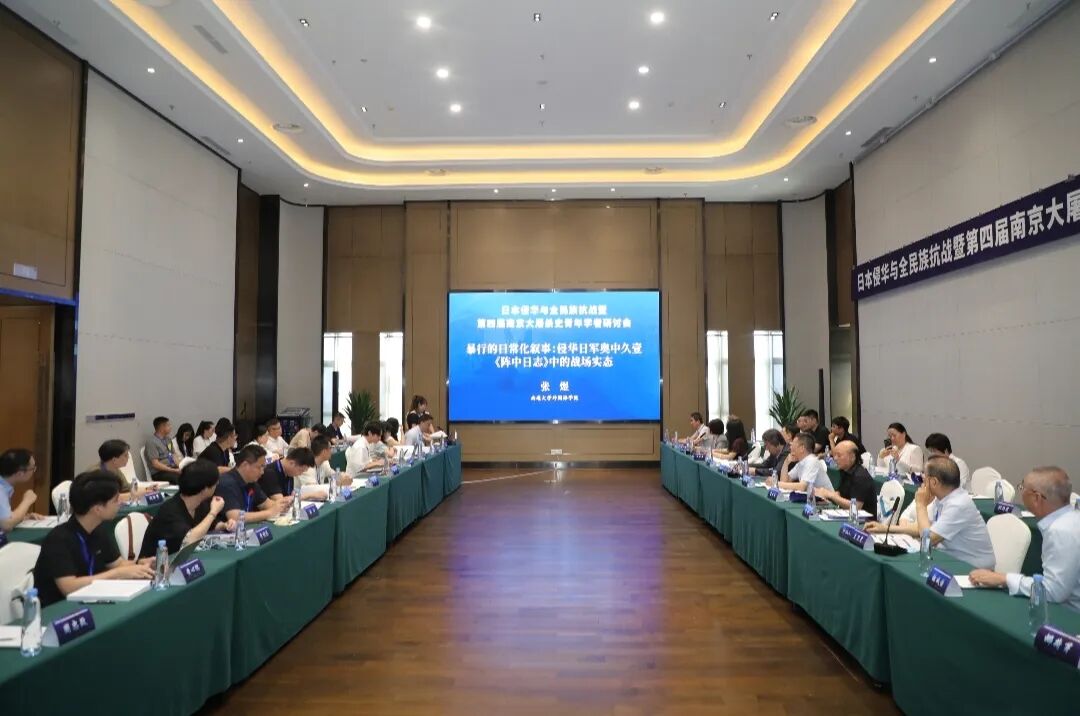
A session of presentations and expert commentary
During the seminar, young scholars presented their latest research on Japan’s invasion of China and the nationwide War of Resistance Against Japanese Aggression, among other subjects.
In his research on the Japanese army’s “contest to kill 100 people”, Lu Peng, an archivist at the Memorial Hall, traced how Tsuyoshi Noda’s given name came to be misreported using the character “岩” instead of “毅” and examined the continuing implications of this error. His findings offered insights into improving the accuracy of historical accounts.
Zhang Yu, an associate professor at Nantong University, drew on the newly discovered Field Diary of Hisaichi Okunaka, a Japanese soldier who took part in the invasion of China, to reconstruct battlefield realities from an ordinary soldier’s perspective. She explored the psychological alienation reflected in plunder carried out under the guise of “requisitioning” and in the soldier’s conduct toward prisoners, offering a new perspective on how atrocities became institutionalized within the Japanese army.
Gong Zhiwei, an assistant researcher at Shanghai Jiao Tong University, analyzed disagreements between the United States and the Soviet Union over the prosecution of Mamoru Shigemitsu at the Tokyo Trial, shedding light on their respective political objectives in the postwar Asia-Pacific region.
Young scholars from academic institutions overseas also presented their findings.
Liu Zexin, a distinguished researcher at Keio University in Japan, examined the unit’s size, the backgrounds of its personnel, and other historical details through his study of Roster of Personnel Remaining with the Central China Epidemic Prevention and Water Supply Department. His findings showed that the Japanese military’s establishment of Unit 1644 was a premeditated, organized act carried out at the state level.
Liao Xinxin, a doctoral student at the University of Malaya, studied classical Chinese poems published in Sin Chew Daily. She showed how accounts of lost territory and anniversary commemorations turned the September 18 Incident into a symbol of national trauma for overseas Chinese. The poems portrayed diverse participants in the struggle for national salvation and developed an international anti-fascist outlook, making them a distinctive record of the wartime memories of Chinese communities in Southeast Asia.
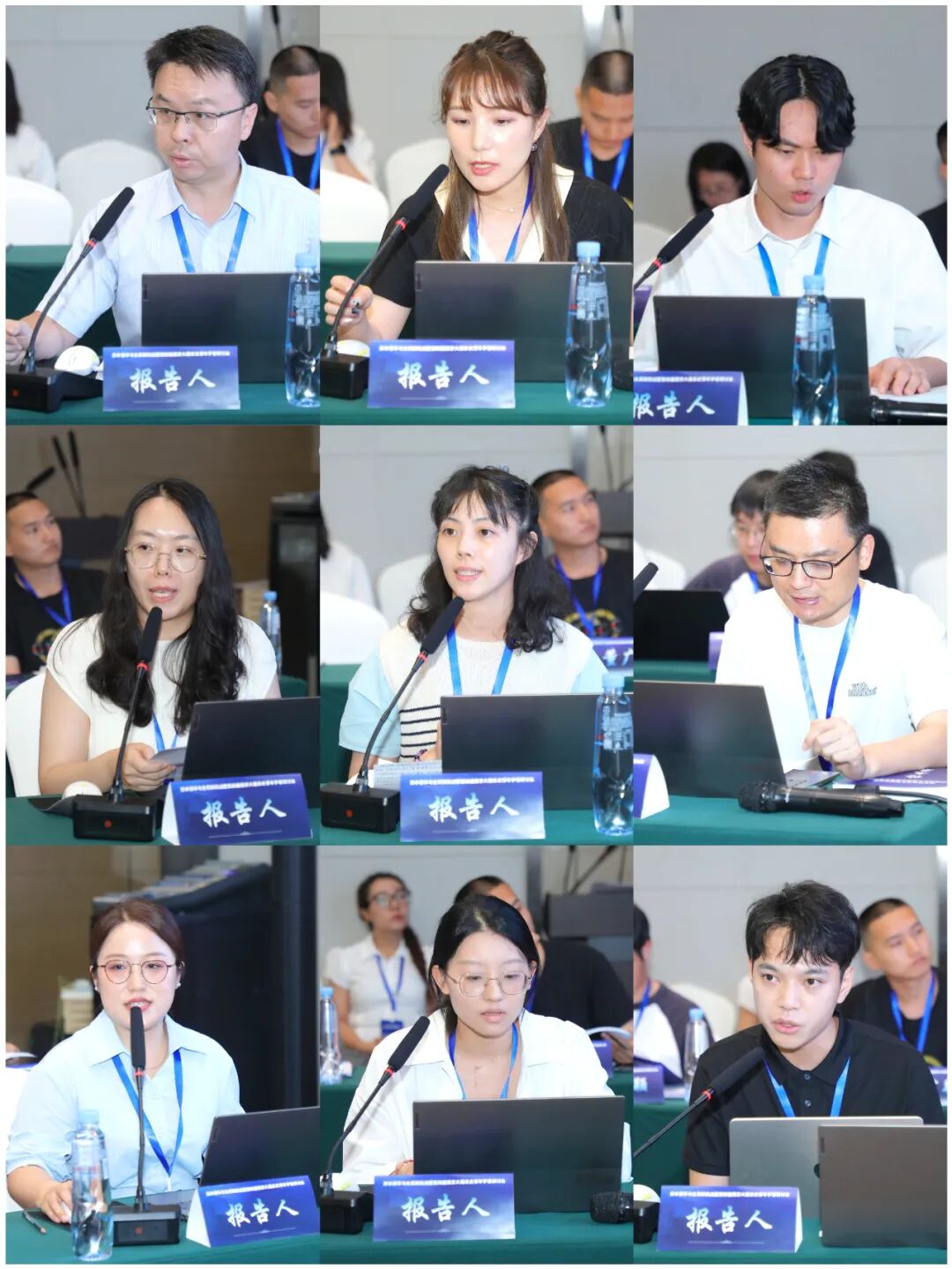
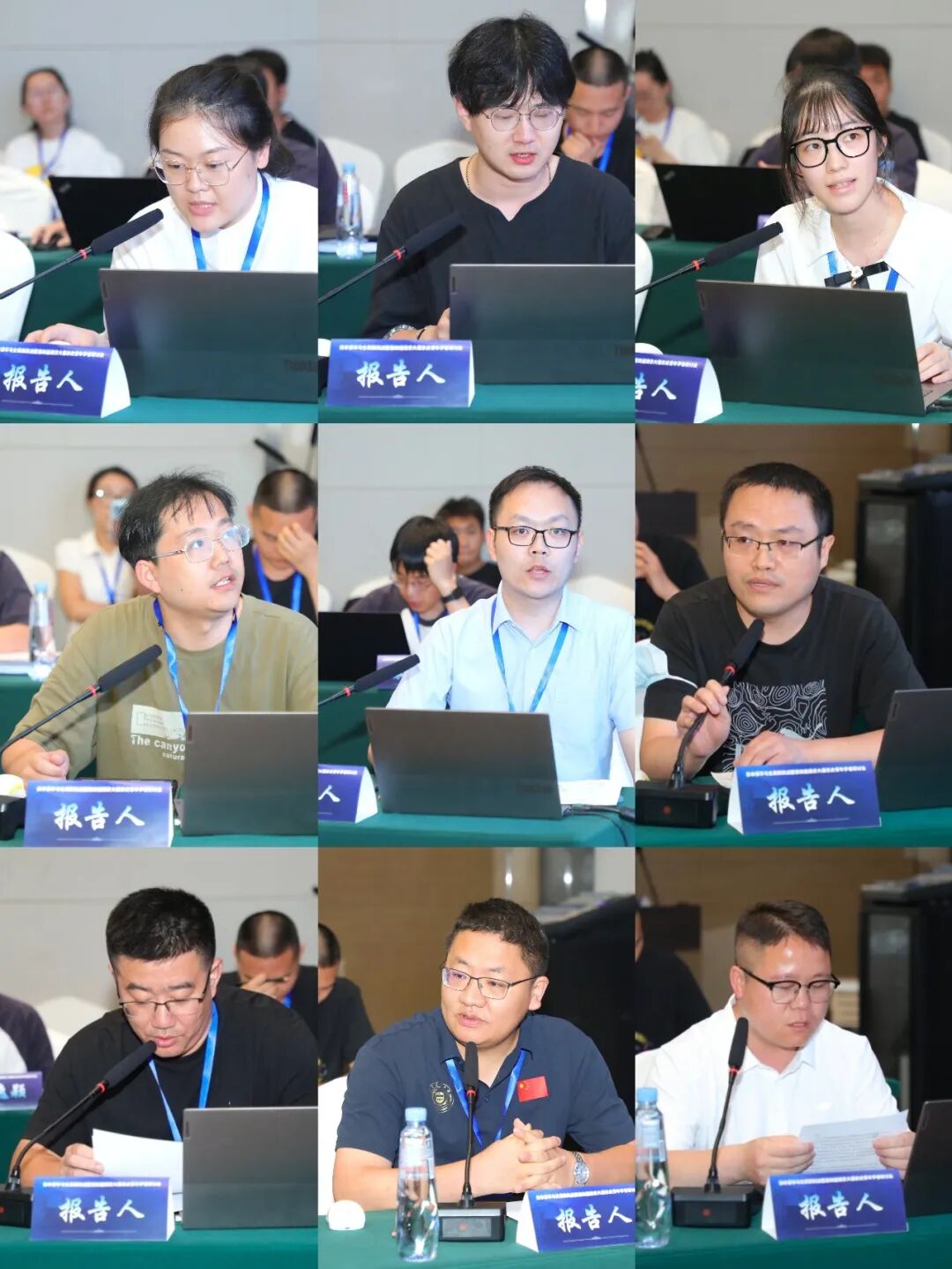
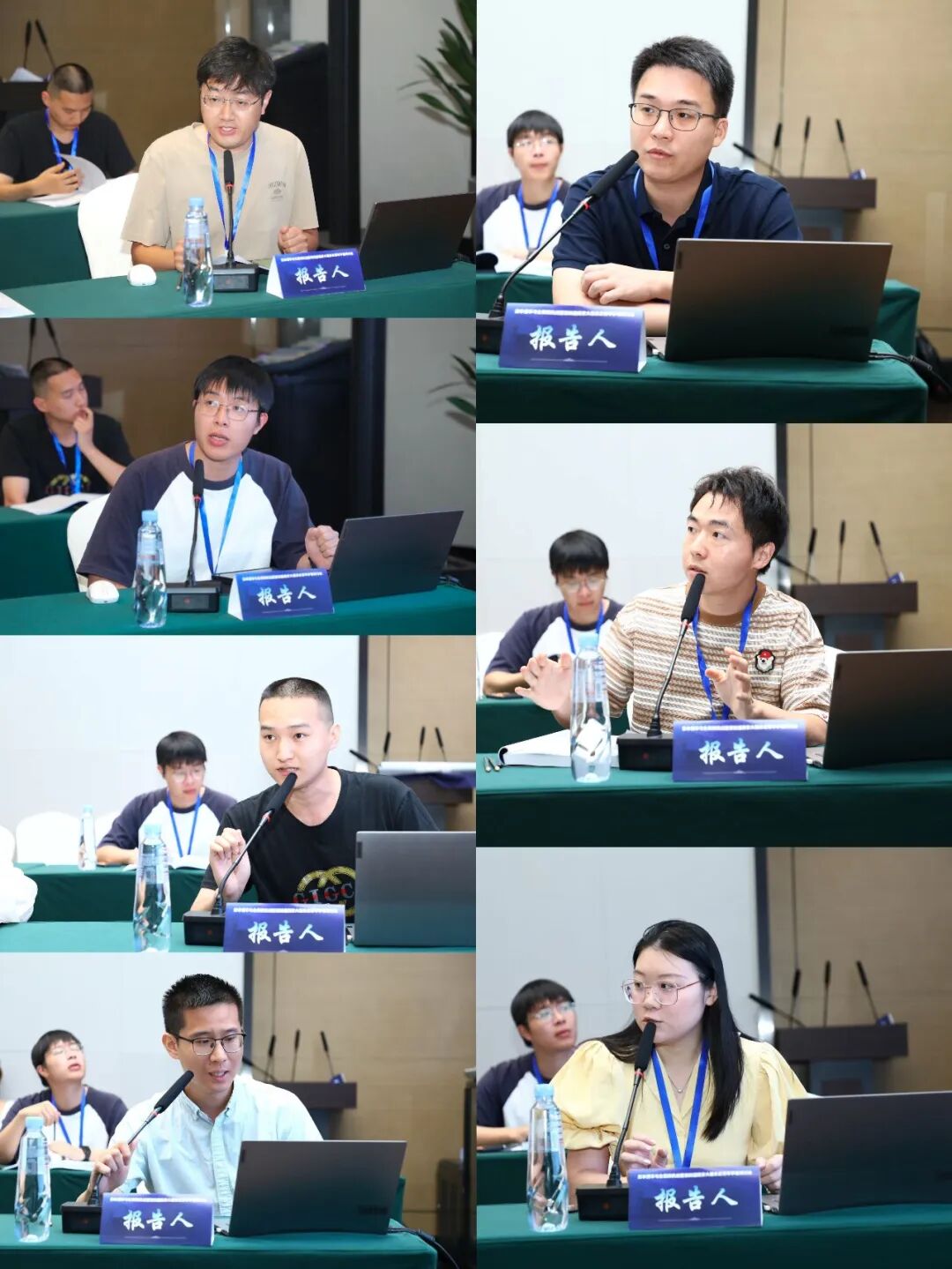
Young scholars present their research
In their comments, the experts commended the younger generation of scholars from China and abroad for their skill in uncovering historical materials. They also urged them to situate detailed historical investigation within the broader context of China’s nationwide War of Resistance Against Japanese Aggression.
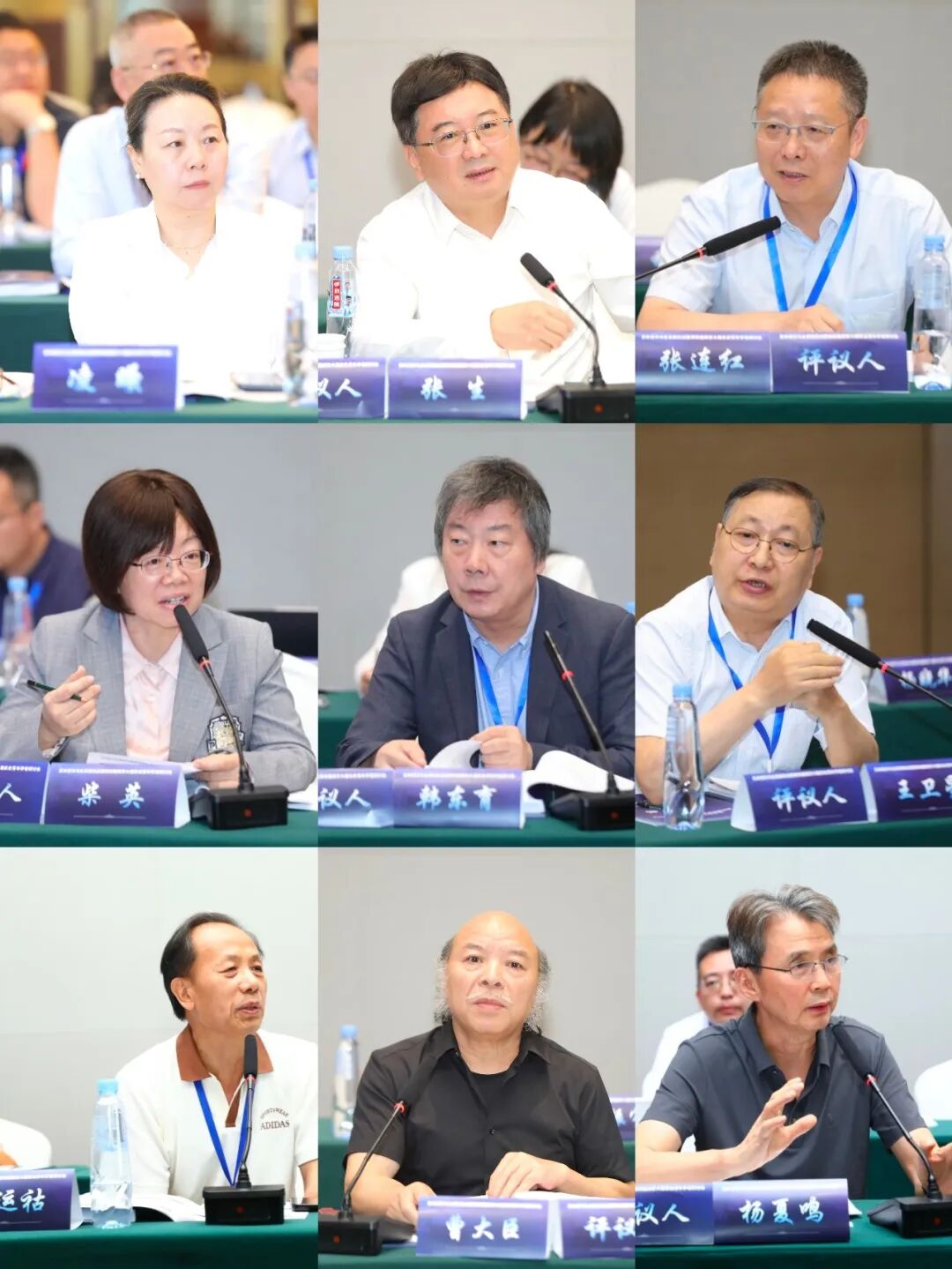
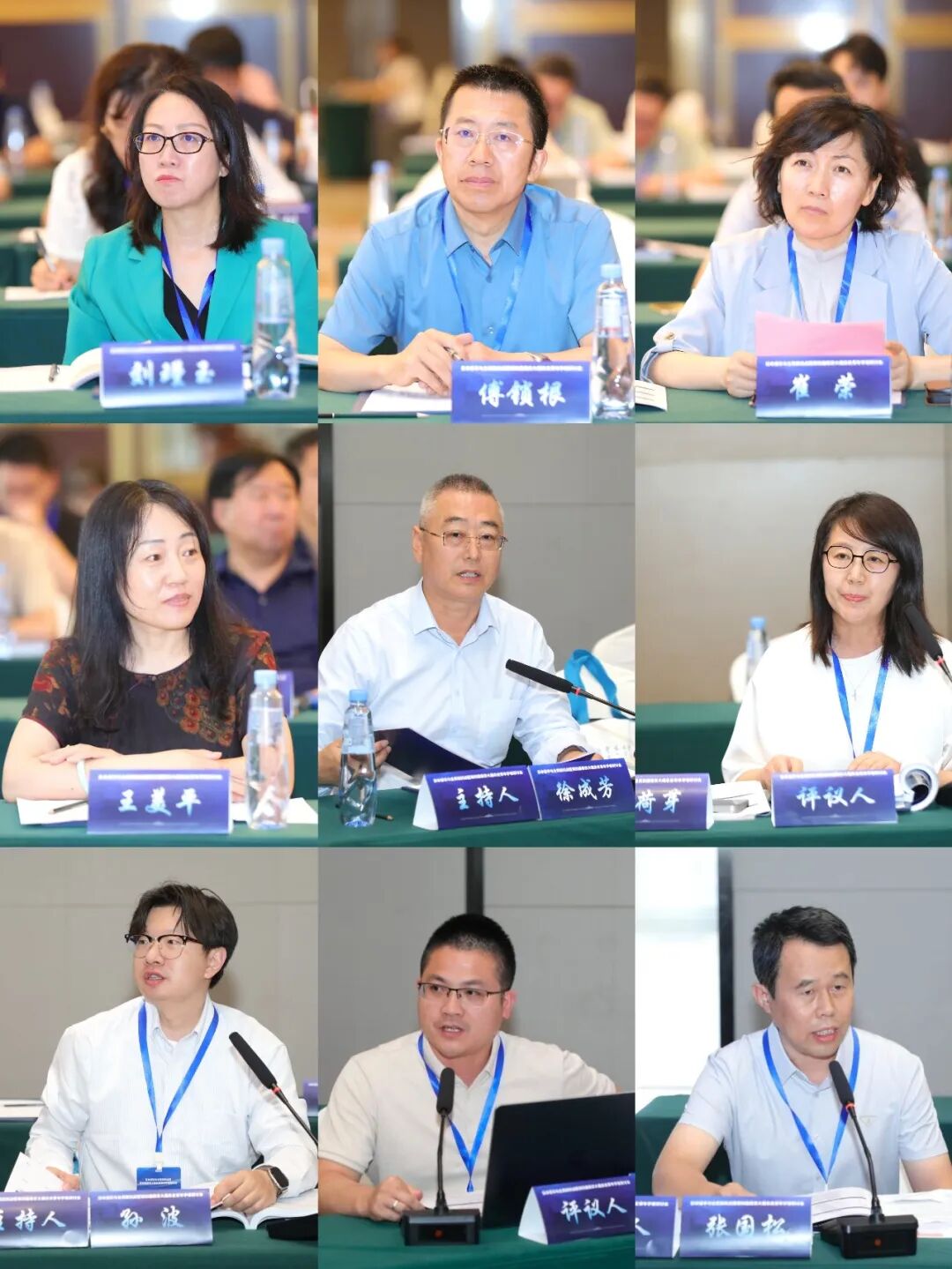
Experts participating in the commentary sessions
The seminar was jointly sponsored by the School of Marxism at Inner Mongolia University, the Institute for National Memory and International Peace Studies, the Research Association of the History of Nanjing Massacre by Japanese Invaders, and the editorial office of the Journal of Japanese Invasion of China and Nanjing Massacre. Between the call for papers on May 1 and the submission deadline of July 15, nearly 200 papers were received from more than 100 universities and research institutions in China and abroad. Following expert review, 26 papers were selected for presentation at the seminar.